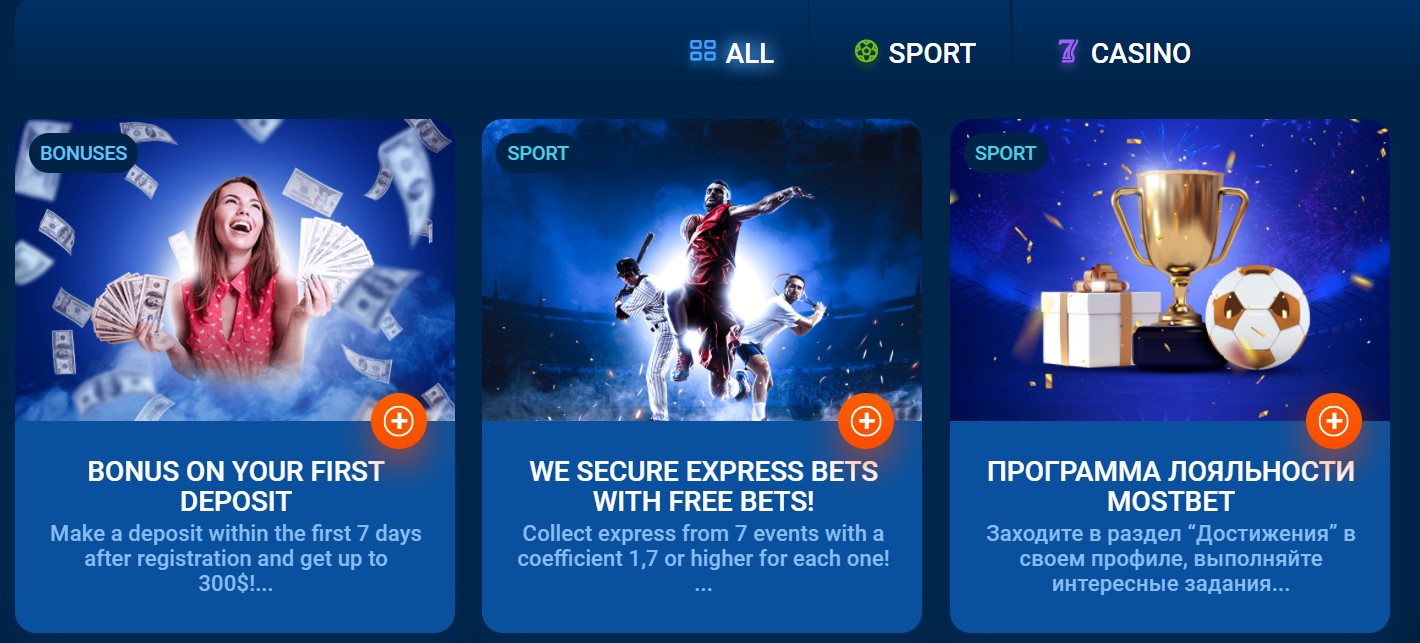
Miközben a Mostbet Casino app legutóbbi update-jeit vizsgáljuk, világos, hogy komoly módosításokat hajtottak végre a magyar játékosok játéktapasztalatának tökéletesítése érdekében. A UI tervezésére és a játékválasztékra, valamint az live dealer tulajdonságok alkalmazására fókuszálva az app egy lebilincselőbb felületté fejlődött. Mindazonáltal, miközben áttekintjük ezeknek a újításoknak a következményeit, figyelembe kell vennünk, hogy ezek miként befolyásolják a játékosok általános elégedettségi szintjét és biztonságát.
Kulcsfontosságú tanulságok
- A Mostbet Casino szoftver javította felhasználói felületét a mobil eszközökön nyújtott zökkenőmentesebb játéktapasztalat érdekében, továbbfejlesztett navigációval és látványhierarchiával.
- A bővített játékkínálat, tartalmazva az kreatív játékgépeket és témájú kártyajátékokat, magas mértékben fenntartja a felhasználók hűségét, és változatos játéktapasztalati opciókat biztosít Magyarországon.
- A Mostbet szoftver élő osztós tulajdonságai nagyfelbontású streaming és azonnali tételhelyezési opciók segítségével fokozzák az kommunikációt és a társasági elkötelezettséget.
- A fokozott biztonsági eljárások, úgymint az AES-256 titkosítás és a dupla azonosítás biztosítják a játszók információinak biztonságát és a védett tranzakciókat.
- Az app az önkizárási eszközök és befizetési határok segítségével elősegíti a tudatos szerencsejátékot, kiemelten kezelve a játszók jóllétét és a játékismeret vonatkozásában.
Továbbfejlesztett kezelőfelület a zökkenőmentes tapasztalatért
Ahogy az online játékok virtuális terepén barangolunk, a precízen megalkotott felhasználói felület (UI) fontosságát nem lehet eléggé hangsúlyozni. Egy simán működő felhasználói felület javítja a felhasználói elköteleződést, lehetővé téve a játékosok számára, hogy problémamentesen eligazodjanak a játékkörnyezetben.
A navigációs elemek letisztításával és a vizuális hierarchia tökéletesítésével biztosíthatjuk, hogy a játékosok azonnal és ösztönösen megtalálják, amit keresnek. Az összehangolt esztétika, a letisztult ikonok és a rugalmas designelemek beépítése nagyban hozzájárul a zökkenőmentes élményhez.
Ezenkívül a visszacsatolási eszközök a felületen belül lehetővé teszik számunkra, hogy meghatározzuk a felhasználói elégedettséget, és végrehajtsuk a szükséges módosításokat. A továbbfejlesztett felhasználói felület nemcsak új játékosokat hív, hanem fenntartja a meglévőket is, végső soron szorosabb kapcsolatot teremtve a játékos és a játékplatform között.
Ebben a folyamatosan fejlődő környezetben a felhasználói felület tervezésének kialakítása elengedhetetlen a sikerhez.
A játékválaszték bővítése a sokszínű preferenciák kielégítése érdekében
Ahogy a Mostbet Kaszinó alkalmazás növekvő játékkínálatát vizsgáljuk, világos, hogy az új játékok megjelenése alapvető ahhoz, hogy a játékélményünk friss és elragadó maradjon.
Új játékmegjelenések
A Mostbet Kaszinó érzékeli az online játékok dinamikus környezetét, ahol a játékosok preferenciái szüntelenül fejlődnek. Ennek a mozgalmas környezetnek a irányítása érdekében izgatottan mutatjuk be legújabb játékkiadásainkat, amelyek még inkább változatossá teszik kínálatunkat.
Minden egyes hozzáadás célja, hogy lekösse a játékosokat az frissen felbukkanó kiaknázása és a felhasználói élmény javítása révén. Íme, mire számíthatunk:
- Innovatív nyerőgépes játékok
Élő osztós élmények
Ügyességalapú játékok
Tematikus asztali játékok
Ezek az friss kiadások együttesen javítják játékplatformunkat, ösztönözve a játékosokat a felfedezésre.
Népszerű műfajok bemutatkozása
Az új játékműfajok bevezetése létfontosságú szerepet játszik abban, hogy nagyobb közönséget csábítson az online kaszinókhoz. A kedvelt műfajok, mint a kaland, a fantasy és a sportjátékok integrálásával nemcsak játékkollekciónkat növeljük, hanem a játékosok változatos preferenciáját is figyelembe vesszük. Ez a stratégiai megközelítés megengedi számunkra, hogy különböző demográfiai csoportokat szolgáljunk ki, növelve a felhasználók megtartását és elégedettségüket.
Ráadásul a ügyességi játékok és a klasszikus formátumok összevonása versenyelőnyt biztosít, ami vonzó azoknak a játékosoknak, akik a szerencsével szemben az irányításra vágynak.
Fontos áttekinteni a játékosok reakcióit és irányzatait, garantálva, hogy kínálatunk releváns és érdekes maradjon. Ahogy folyamatosan friss műfajokat vezetünk be, elkötelezettek vagyunk a változatos játékkörnyezet biztosítása iránt, és ezáltal megszilárdítjuk pozíciónkat a állandóan változó online kaszinók világában.
Különleges tematikus megjelenések
Játékkínálatunk bővítése során az különleges tematikus kiadások bemutatása létfontosságú tervvé lett a játékosok változatos preferenciájának kielégítése érdekében.
Ezek a kiadások nemcsak újdonságot hoznak, hanem a felhasználók hűségét is fokozzák az elmélyült tapasztalatokon keresztül. Azzal, hogy játékainkat a változatos témákhoz alakítjuk, szélesebb publikumot csábítunk, és megtartjuk aktuális felhasználóink figyelmét.
Íme négy figyelemre méltó eset:
- Fantázia Domainek – Mártózz meg mesés univerzumokban, amelyek legendás teremtményekkel és varázslatos missziókkal telítettek.
- Kulturális expedíciók – Fedezz fel különböző globális kultúrák ihlette játékokat, gazdagítva a játékosok élményeit.
- Jövőbeli expedíciók – Mártózz meg olyan csúcstechnológiás játékszituációkban, amelyek lenyűgözik a techrajongókat.
- Retro retró játékélmények – Éld újra ismét a nosztalgikus érzéseket efféle játékszoftverekkel, melyek a klasszikus kedvenceket felidézik, és a veterán játékosok részére is vonzóak.
Ez a taktikai integráció megengedi számunkra, hogy folyamatosan tökéletesítsük kínálatunkat.
Live kaszinó funkciók integrálása valós idejű játékokhoz
Amíg az online játékszoftverek innovatív terepét kutatjuk, az élő kaszinó funkciók integrálása jelentős előrelépést képvisel abban, miként kedvenc táblajátékainkkal játszunk. Ezek a funkciók lehetővé teszik számunkra, hogy valós időben lépjünk kapcsolatba élő krupiékkal, összekötve a rést a fizikai és a virtuális játékélmények között.
A HD közvetítési technológia integrációja magával ragadó játékmenetet biztosít, táplálva egy efféle társasági atmoszférát, mely a klasszikus online platformokról sokszor hiányzik. Továbbá a valós idejű fogadási lehetőségek fejlesztik stratégiai döntéshozatalunkat, nagyobb szintű képességeket és alkalmazkodóképességet igényelve.
Amint eme fejlesztéseket befogadjuk, nélkülözhetetlenné válik nem csak az live játékok mechanikájának felfogása, hanem a felhasználók közötti kapcsolat finomságai és a mentális aspektusok megértése is, amelyek hozzájárulnak az általános élményünkhöz.
Korszerűsített biztonsági lépések a résztvevők védelmére
Amikor a Mostbet Casino szoftver által végrehajtott korszerűsített biztonsági intézkedéseket tanulmányozzuk, nyilvánvaló, hogy a résztvevők biztonsága fő szemponttá alakult.
A jobb adatvédelemnek, a dupla azonosításnak és a védett fizetési megoldásoknak jóvoltából az app nagy intézkedéseket hajt végre a játékos adatok megóvása érdekében.
Ezek fejlesztések nem csak a megbízhatóságot növelik, és védettebb játékteret is hoznak létre valamennyi felhasználó számára.
Továbbfejlesztett adatvédelem
Mindinkább online társadalmunkban elengedhetetlen a szigorú biztonsági intézkedések megtartása a résztvevők szenzitív adatainak biztonsága érdekében.

A Mostbet Casino app legújabb frissítéseivel fejlett adatvédelem valósult meg, amely szavatolja adataink biztonságát játszás közben.
Ezáltal erősítik biztonságunkat az efféle intézkedések:
- Fejlett kódolási elvek
- Adatkommunikáció védelme
- Integritási kontrollok
- Felhasználói adatvédelemre összpontosítva
Ilyen újítások együtt erősítik a résztvevők biztonságát, és egy megbízható játékplatformot alakítanak ki, amelyben hisszük.
Kétszintű ellenőrzés
A biztonság további fokozása érdekében a Mostbet Casino alkalmazás immár kétfaktoros hitelesítést (2FA) is tartalmaz, amely egy rendkívül hatékony intézkedés, és további védelmi réteget biztosít fiókjaink számára.
Ez a funkció a jelszavainkon túl egy további ellenőrzési formát is igényel, jellemzően egy egyedi kóddal, amelyet a mobileszközeinkre küldünk. A 2FA alkalmazásával nagy mértékben csökkentjük a jogosulatlan hozzáférés kockázatát, mivel akkor is, ha jelszavaink veszélybe is kerülnek, a támadóknak akkor is szükségük van a második tényezőre a fiókjaink megszerzéséhez.
Ráadásul ez a előrelátó megközelítés a biztonságtudatosság kultúráját ösztönzi a játékosok körében. Megerősítést kelt, azáltal, hogy fiókjaink jobban védettek.
Miközben folyamatosan alkalmazzuk ezeket a javításokat, elengedhetetlen, hogy a legjobb gyakorlatokat alkalmazzuk, és prioritásként kezeljük digitális biztonságunkat.
Biztonságos fizetési lehetőségek
Mivel a kétfaktoros hitelesítés alkalmazása fokozza fiókunk biztonságát, fontos áttekinteni a Mostbet Casino alkalmazáson keresztül elérhető fizetési lehetőségeket is.
Az alkalmazás a pénzügyi biztonságunkat helyezi előtérbe azáltal, hogy többféle biztonságos fizetési módokat tartalmaz. Ezen lehetőségek megértése segíthet biztosítani, hogy tranzakcióink védve maradjanak:
- Hitel-/betéti kártyák
- E-pénztárcák
- Banki átutalások
- Kriptovaluta
Egyszerűsített fizetési lehetőségek a zökkenőmentes tranzakciókhoz
Ahogy kutatjuk az online játékok szüntelenül bővülő terepét, egyértelművé mutatkozik, hogy az letisztult pénzügyi opciók nélkülözhetetlenné váltak a Mostbet Kaszinó ügyfél élvezetének növeléséhez.
A legújabb fejlesztések a akadálymentes ügyletet helyezik fókuszba, megengedve számunkra, hogy eredményesebben fizessünk be. A változatos fizetési lehetőségek, például az digitális tárcák és a kriptók integrálásával az app csak a változatos igényt szolgálja ki, minimalizálja a tranzakciós időt is.
Ez a kényelmi megszünteti a súrlódásokat, megengedve hogy, hogy a tranzakciós logisztika ellenében főleg a játékra koncentráljunk. Ráadásul az rögtöni processzálás nagyobb fokú elköteleződést hoz, végül soron és kellemesebb általános élményt ad.
Ahogy részletesebben áttekintjük ezen az újításokat, nyilvánvalóvá lesz, hogy a hatékony pénzügyi módok alapvető összetevői a modern játékoldalaknak, úgymint a Mostbet Kaszinónak.
Egyénre szabott játékélmény testreszabott ajánlásokon át
Amíg elmerülünk az online játékok birodalmában, azt tapasztaljuk, hogy a egyénre igazított játék tapasztalat jelentősen fokozza az elköteleződésünket.
A személyre szabott tanácsok módosíthatják a felhasználói élményünket úgy, hogy biztosítják, hogy az a tartalmat kapjunk, ami érint minket. Itt van négy fontos tényező, amelyek növelik ezt a személyre szabást:
- Magatartáselemzés
- Testreszabott gaming javaslatok
- Egyénre szabott akciók
Dinamikus user felület
Mobil optimization on-the-go hozzáféréshez
Our lives fast pace due to a mobile devices development kulcsfontosságúvá vált a kellemes gaming experience for. A Mostbet Casino alkalmazás recent updates well illustrate ezt a necessity, sophisticated interfaces kínálva, amelyek megkönnyítik a játékot kisebb képernyőkön.
Javultak a loading times, thus ensuring, hogy favorite games bosszantó késések without play. Additionally, a felhasználói felületet az érintőképernyős navigation igazítottuk, allowing a menük és játékmódok közötti seamless switching.
Ez a attention to detail való focus not only a hozzáférhetőséget enhances, mostbet casino app magyarország, but also magával ragadó környezetet is teremt a rugalmasságra seeking players for. Ahogy folyamatosan zsonglőrködünk a napi commitments, az such mobile developments létfontosságúak to hogy páratlan játékélményt provide for us, which bármikor, bárhol élvezhetünk.
Commitment a felelős szerencsejáték-gyakorlatok towards
Recognizing a players’ jólétének importance, a Mostbet Kaszinó steadfastly elkötelezett a responsible szerencsejáték-gyakorlatok towards.
Megértjük, hogy az egészséges gaming environment maintenance létfontosságú felhasználóink hosszú távú szórakozása érdekében. Our measures nemcsak a játékosok experience javítják, but also positive szokásokat also ösztönöznek.
Íme a key kezdeményezések, that támogatunk:
- Önkizárási eszközök
- Befizetési limitek
Valóságellenőrzések
Hozzáférés az erőforrásokhoz
Következtetés
Röviden, a Mostbet Kaszinó alkalmazás friss frissítései valóban megreformálták a játékkörnyezetet a magyar játékosok számára. A felhasználói felület továbbfejlesztésével, a játékválaszték bővítésével és az live casino funkciók bevezetésével egy vonzóbb és megbízhatóbb légkört hoztunk létre. Az egyszerűsített fizetési módok és a felelős játék iránti elköteleződés tovább fokozza az összélményt. Ahogy ezeket a javításokat megvalósítjuk, nyilvánvaló, hogy a Mostbet odaadó az iránt, hogy magas színvonalú entertainmentet és játékosok megelégedését adjon nekünk.